Two metals dominate reusable bottles: stainless steel and aluminum. Both beat plastic, but they feel, taste, and perform differently. Yujie Cup builds steel bottles and helps buyers understand the real trade-offs before they choose.
Steel vs aluminum, side by side
| Factor | Stainless steel | Aluminum |
|---|---|---|
| Durability | Very high | Medium (dents) |
| Taste | Neutral | Needs liner |
| Insulation | Vacuum possible | Rarely vacuum |
| Weight | Medium | Lighter |
| Safety | 18-8, BPA-free | Lined (check liner) |
| Cost | Medium | Low–Medium |
Taste & lining
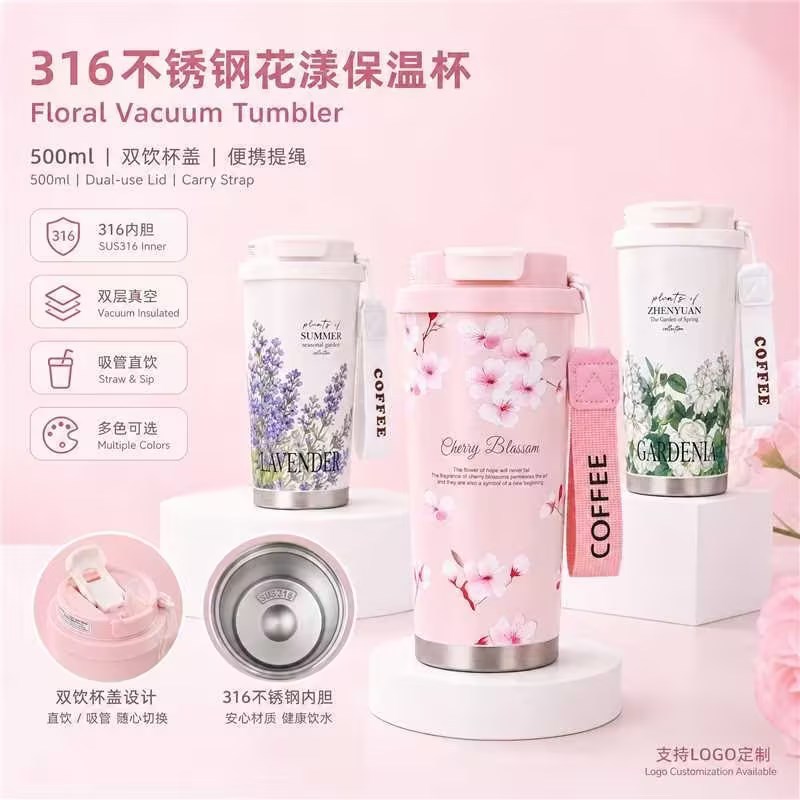
Aluminum reacts with acidic drinks and is almost always lined with a polymer coating — if that liner scratches, taste and safety suffer. 18-8 stainless steel (see our certification guide) is inert and needs no liner, so flavor stays clean. For the broader material picture, read steel vs glass vs plastic.
Insulation & weight
Aluminum bottles are light but seldom vacuum-insulated, so drinks warm fast. Steel vacuum bottles keep cold 24h / hot 12h. Yujie Cup ships vacuum insulated steel bottles that pair durability with real temperature control. Lighter weight is aluminum’s main edge — worth it only if insulation is not a priority. For the sustainability angle, see eco-friendly drinkware trends.
FAQ
Q1: Is aluminum safe without a liner?
A: No. Aluminum needs a food-safe liner; a scratched liner is a problem. Steel needs none.
Q2: Which keeps drinks colder?
A: Steel vacuum bottles by a wide margin; aluminum rarely insulates.
Q3: Is aluminum lighter than steel?
A: Yes, noticeably — its main advantage for hiking and kids.
Q4: Which lasts longer?
A: Steel. It resists dents and corrosion and needs no coating to stay safe.
Related Articles