BPA-Free 18/8 Food-Grade Stainless Steel: Certifications & Quality Standards B2B Buyers Must Know (2026)
When you source drinkware at scale, the material is the product. A bottle that leaches, rusts, or fails a retail audit costs far more than its unit price. At Yujie Cup, every bottle we manufacture starts from 18/8 (304) food-grade stainless steel and is built BPA-free by design. This guide explains what those terms actually mean, which certifications matter for your target market, and how to verify a factory before you sign a bulk contract.
1. What Is 18/8 Stainless Steel?
“18/8” refers to the austenitic 304 grade: 18% chromium and 8% nickel. The chromium forms a passive oxide layer that resists corrosion and staining; the nickel stabilizes the structure for food-safe, non-reactive contact. For B2B buyers this means:
- No metallic taste transfer, even with acidic drinks (citrus, coffee).
- High resistance to rust under daily washing.
- Dishwasher tolerance on most finished builds.
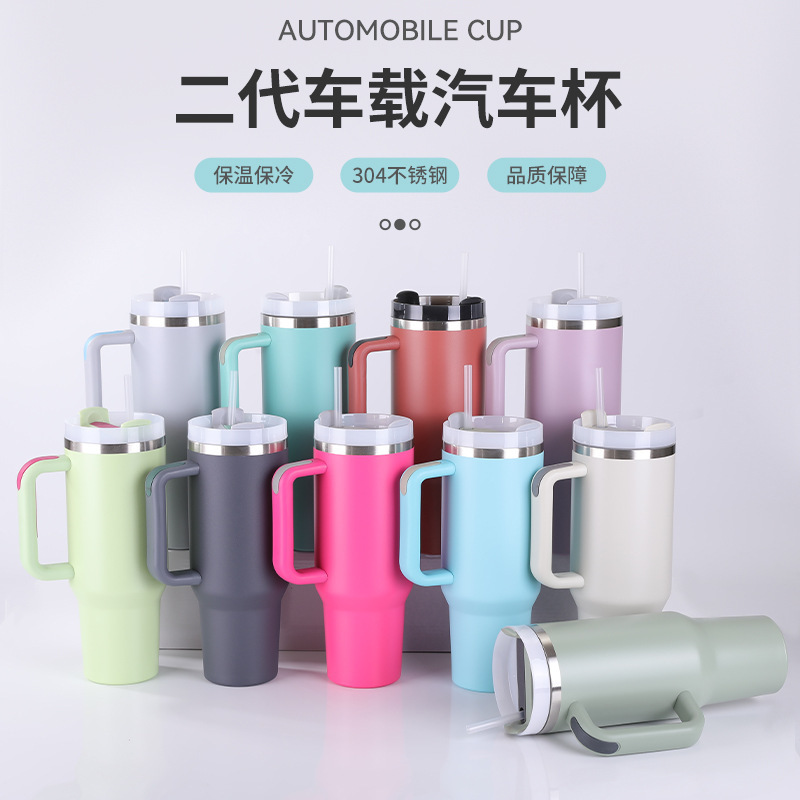
Yujie Cup uses 304 (18/8) as the baseline for all vacuum-insulated bodies. Lower-grade 201 steel is cheaper but prone to pitting—we do not use it in food-contact paths.
2. Why “BPA-Free” Is Non-Negotiable
Bisphenol A (BPA) is a chemical once common in polycarbonate plastics and epoxy liners. It is now restricted in food contact across the EU, USA, and many Asian markets. A genuinely BPA-free bottle avoids it in three places:
- The steel body (inherently BPA-free metal).
- Any liner or coating inside the vessel.
- All lids, seals, and gaskets (we use food-grade silicone).
Buyers should request a material declaration, not just a marketing claim. Our factory & certifications page lists the active documents we hold.
3. The Certification Map (FDA / LFGB / EU)
Different markets demand different proof. Matching certs to destination prevents customs holds and retail rejections:
- USA: FDA food-contact compliance (21 CFR) plus Prop 65 where applicable.
- EU / Germany: LFGB (Lebensmittel-, Bedarfsgegenstände- und Futtermittelgesetzbuch) is stricter than the general EU framework.
- General EU: EU 10/2011 framework regulation for food-contact plastics and coatings.
- Global: LFGB/FDA paired with BPA-free declarations cover most B2B destinations.
4. Certification Comparison Table
| Certification | Region | Covers | Typical Validity | Needed For |
|---|---|---|---|---|
| FDA (21 CFR) | USA | Food-contact materials | Per formulation | US retail / Amazon |
| LFGB | Germany / EU | Migration & sensory | Per batch type | EU premium retail |
| EU 10/2011 | EU | Plastics & coatings | Per formulation | EU general market |
| Prop 65 | California, USA | Toxic substance warning | Ongoing | US west-coast sales |
| BPA-free declaration | Global | Material statement | Per SKU | All markets |
Certification scope varies by lab and intended use. Always align the test scope with your actual product (capacity, lid material, coating) before mass production.
5. Factory Quality Control Checklist
Beyond paper certs, a reliable production line should demonstrate control at every stage. Yujie Cup runs the following as standard:
- Raw-material mill test reports for each steel coil.
- Incoming inspection of lids, gaskets, and coatings.
- Vacuum integrity test (leak + insulation performance) per batch.
- Random heavy-metal migration sampling aligned to FDA/LFGB.
- Final AQL 2.5 visual inspection before carton.
6. How to Verify a Supplier
Before committing a bulk PO, run these four checks:
- Ask for the original cert PDF from an accredited lab (SGS, TÜV, Intertek)—not a screenshot.
- Confirm the cert names your exact SKU, not a generic category.
- Order a pre-production sample and, if volume is high, a third-party retest.
- Visit or video-audit the line; our about page explains our facility.
For a complete walkthrough of how we take a spec from drawing to shipment, see our customization process.
7. Frequently Asked Questions
Is 18/8 the same as 304 stainless steel?
Yes. 18/8 is the common name for type 304 austenitic stainless steel, defined by its 18% chromium and 8% nickel content. Both terms refer to the same food-grade material.
Are Yujie Cup bottles genuinely BPA-free?
Yes. Our steel bodies are inherently BPA-free, and all lids, gaskets, and coatings use food-grade, BPA-free materials. We provide a material declaration on request.
Which certification do I need for the US market?
FDA food-contact compliance is the baseline for the US; Prop 65 compliance is advised for California. Amazon and major retailers may request both plus a BPA-free declaration.
Can you supply LFGB certs for the EU?
Yes. We hold LFGB and EU 10/2011 aligned documentation and can pre-certify a new SKU before mass production for EU premium retail.
8. Request Certified Samples
Specifying material and certs up front protects your brand downstream. Yujie Cup supplies original lab certificates (SGS/TÜV/Intertek), material declarations, and a free pre-production sample with every new project. Contact our team for a certified quote, or explore our product range to start.
Related Articles