Coffee, tea, and a forgotten bottle in a gym bag all leave smells and stains. Good news: stainless steel cleans up fast and stays safe. Yujie Cup shares the methods that work — and what to avoid so you don’t damage the bottle.
Why steel is easy to clean
Unlike plastic, 18-8 steel doesn’t absorb odors into its surface, so smells sit on residue, not the metal. A quick wash usually solves it. For the full routine, see our cleaning & care guide.
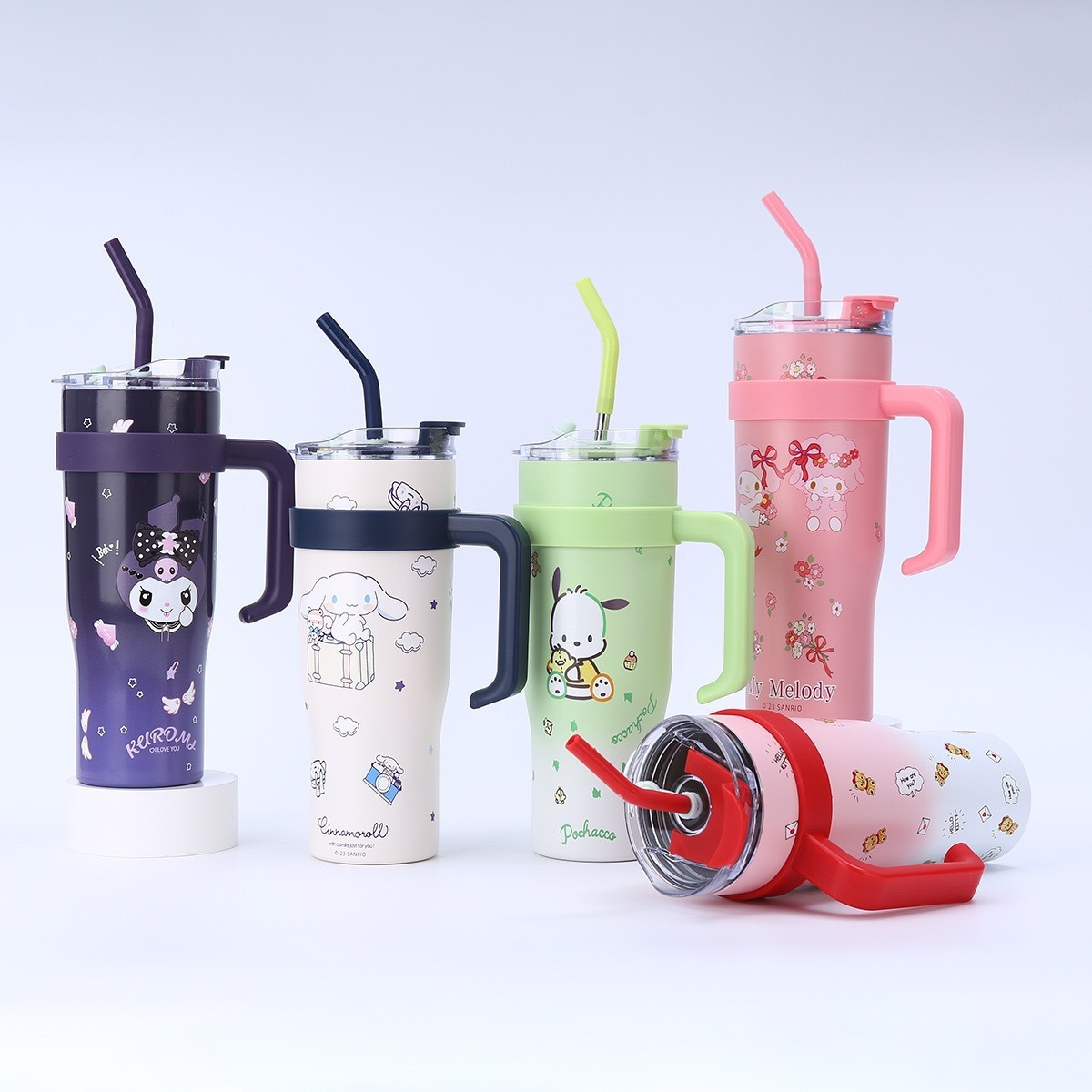
Safe cleaning methods
| Problem | Method | Time |
|---|---|---|
| Everyday odor | Warm soapy water + bottle brush | 2 min |
| Coffee/tea stain | Baking soda paste or denture tablet soak | 15–30 min |
| Stubborn smell | White vinegar rinse, then water | 30 min |
| Lid gasket | Disassemble & wash separately | 5 min |
Decoration type affects care — check bottle decoration methods for print-specific notes.
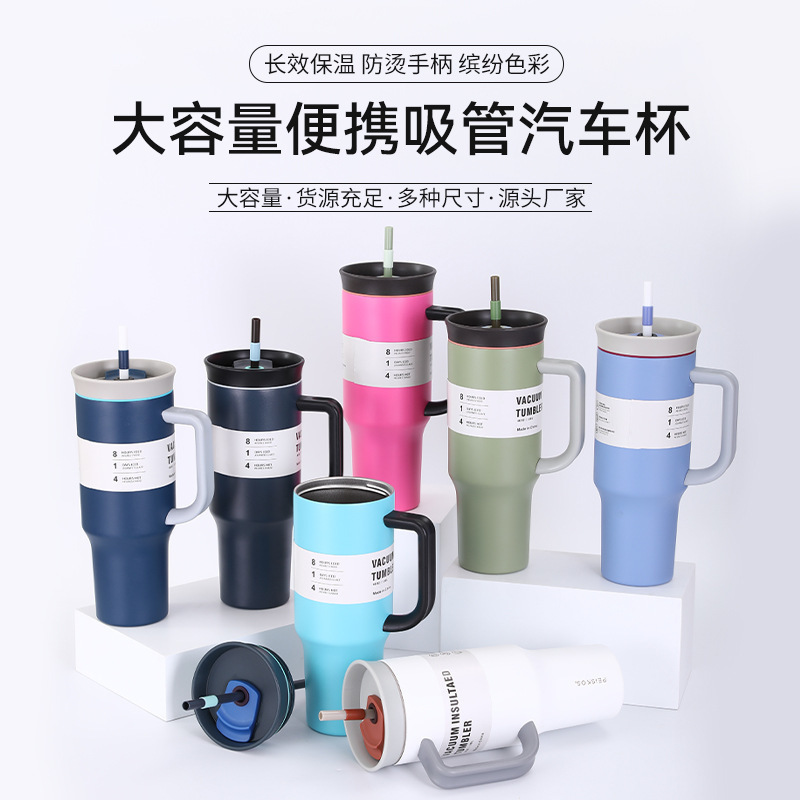
What to avoid
Skip bleach (can pit steel and leave taste), dishwashers for printed lids, and abrasive scourers that scratch coatings. Yujie Cup bottles are built for years of safe use when cared for simply.
FAQ
Q1: How do I remove coffee stains?
A: Soak with a denture-cleaning tablet or baking-soda paste, then brush. Avoid steel wool.
Q2: Is vinegar safe for steel bottles?
A: Yes, a short vinegar rinse neutralizes odor; rinse fully with water after.
Q3: Can I put the bottle in the dishwasher?
A: Body usually yes; printed lids no — hand-wash to protect the logo.
Q4: Why does my lid smell but not the bottle?
A: The gasket traps residue; remove and wash it separately, and dry fully.
Related Articles