“Is this bottle safe?” is the question every parent and buyer should ask. BPA, lead, and heavy metals make headlines for a reason. Yujie Cup explains what to check and why 18-8 stainless is the low-risk choice.
The three risks
| Risk | Where it hides | Concern |
|---|---|---|
| BPA | Old plastic liners | Hormone disruptor |
| Lead | Cheap paint, solder | Toxicity, esp. kids |
| Heavy metals | Unknown alloys | Long-term buildup |
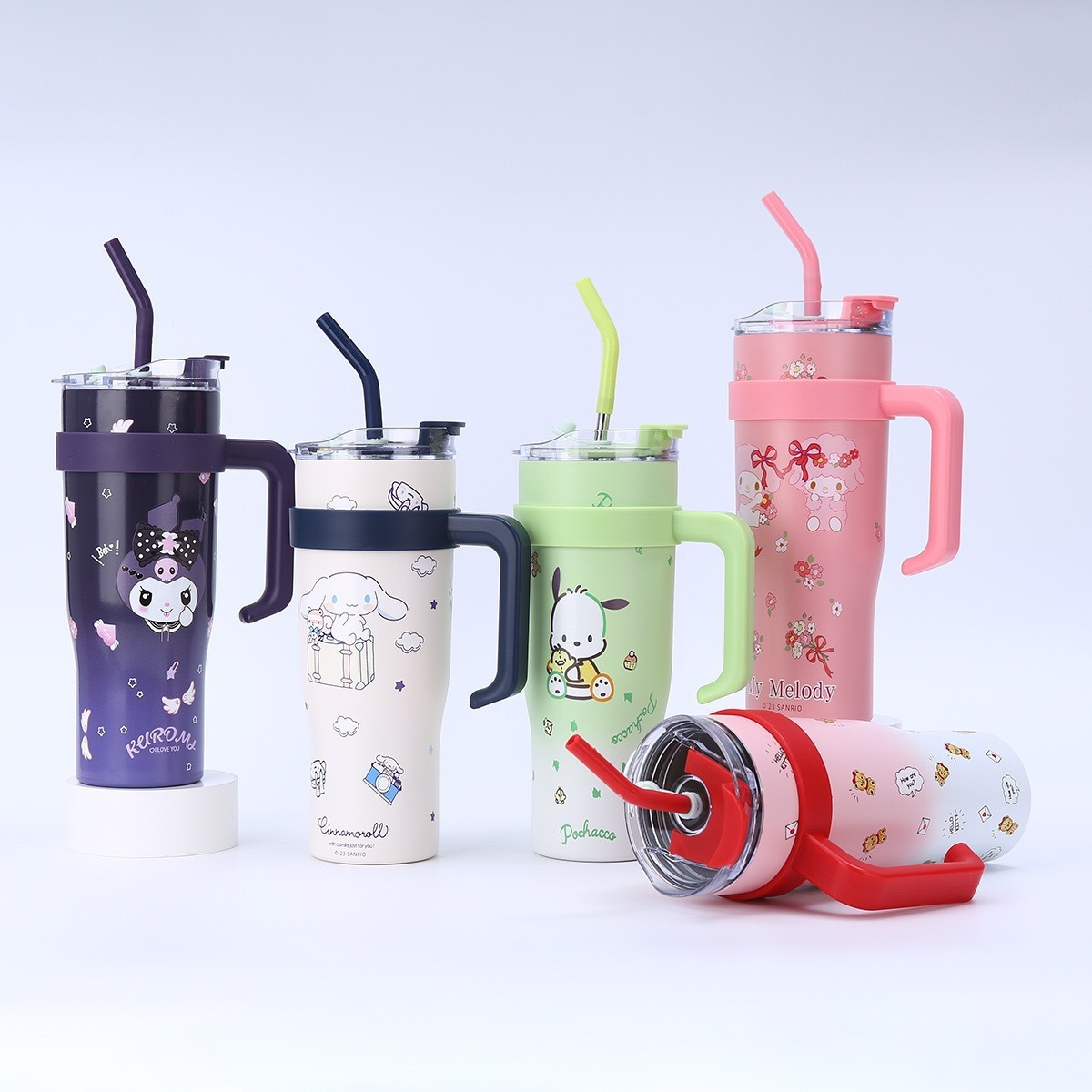
What to check before buying
Look for explicit “BPA-free,” a named steel grade (18-8 / 304), and third-party certs. Avoid bottles with unlabeled paint or suspiciously cheap metal. Our 18-8 certification guide shows the marks that matter. For cleaning between uses, see cleaning & care.
Why 18-8 steel wins
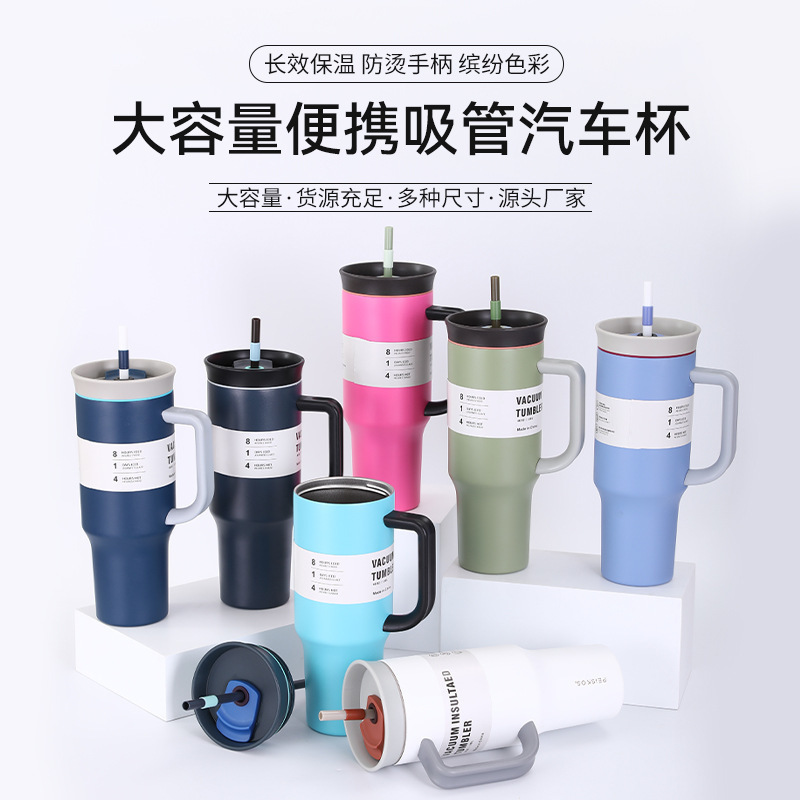
18-8 (304) stainless is inert, BPA-free by nature (no liner needed), and lead-free when sourced from reputable mills. Yujie Cup uses certified 18-8 across all lines — the safe base for vacuum insulated bottles. Compared with plastic, the safety story is simpler (read steel vs plastic).
FAQ
Q1: Is stainless steel BPA-free?
A: Yes — steel needs no plastic liner, so there is no BPA source in the body.
Q2: Can steel bottles contain lead?
A: Reputable 18-8 steel is lead-free; risk comes from cheap paints or solder, not the steel.
Q3: How do I verify a bottle is safe?
A: Check for BPA-free claim, named 18-8/304 grade, and third-party food-contact certs.
Q4: Are kids’ bottles safe in steel?
A: Yes. 18-8 steel is the recommended low-risk choice for children’s drinkware.
Related Articles