Tritan is the “safe plastic” shoppers ask for — clear, tough, BPA-free. But how does it really compare to stainless steel? Yujie Cup builds steel bottles and lays out the honest trade-offs so buyers choose well.
Steel vs Tritan, side by side
| Factor | Stainless steel | Tritan (plastic) |
|---|---|---|
| Clarity | Opaque | Clear |
| Taste | Neutral | Neutral (good grade) |
| Insulation | Vacuum possible | None |
| Durability | Very high | High (scratches) |
| Safety | 18-8, BPA-free | BPA-free (check) |
| Cost (lifetime) | Low | Medium |
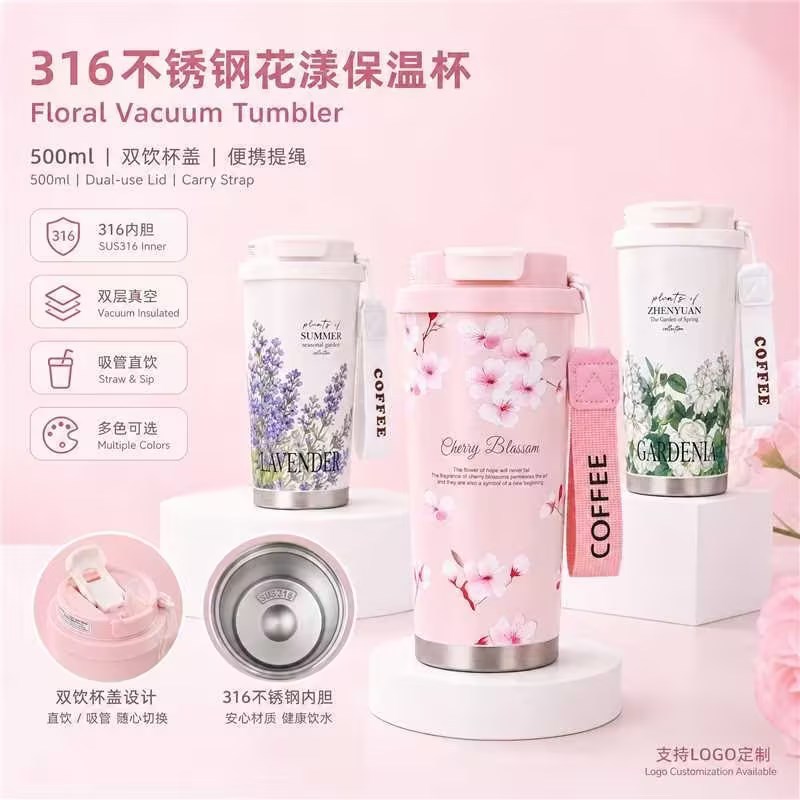
Taste & safety
Good Tritan is taste-neutral and BPA-free, a real step up from old plastics (see our steel vs plastic take). But it still scratches and can harbor bacteria in micro-grooves, and it never insulates. 18-8 steel (our certification guide) needs no liner and stays clean longer.
Insulation & longevity
If you want cold water on a commute or hike, only vacuum steel delivers 24h cold / 12h hot. Tritan is light and clear — great for a desk tumbler, weak for the outdoors. Yujie Cup ships vacuum insulated steel bottles built to last years. For the green angle, see eco-friendly drinkware trends.
FAQ
Q1: Is Tritan safe?
A: Yes, quality Tritan is BPA-free and food-grade; just buy from reputable brands.
Q2: Which keeps drinks colder?
A: Steel vacuum bottles, by far — Tritan doesn’t insulate.
Q3: Does Tritan scratch?
A: It can, and scratches can trap odor; steel resists this better.
Q4: Which lasts longer?
A: Steel. A good steel bottle outlives several plastic ones.
Related Articles