Stainless Steel vs. Aluminum vs. Titanium Bottles: A B2B Material Comparison
Most drinkware buyers default to stainless steel, but aluminum and titanium bottles also serve specific B2B niches. Yujie Cup manufactures primarily 18/8 stainless steel, so this comparison is practical, not promotional — here is how the three metals stack up for bulk buyers.
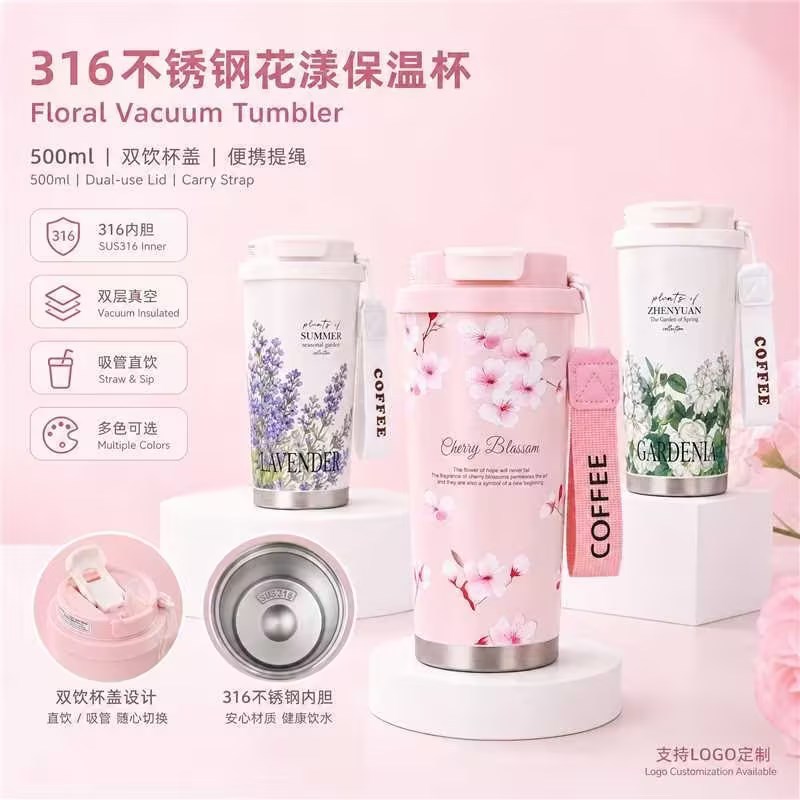
1. Material overview
Stainless steel (18/8 / 304): the industry standard for vacuum-insulated bottles — food-safe, corrosion-resistant, takes powder coat and laser engraving well. Aluminum: lighter and cheaper, but reactive with liquids, so it requires a plastic or epoxy liner (a concern for “BPA-free” messaging). Titanium: premium, ultralight, inert, but expensive and hard to vacuum-insulate cost-effectively at scale.
2. Spec comparison
| Attribute | Stainless steel | Aluminum | Titanium |
|---|---|---|---|
| Weight | Medium | Lightest | Light |
| Food safety | Excellent (no liner) | Needs liner | Excellent (no liner) |
| Insulation feasibility | Excellent (double-wall) | Poor (single-wall common) | Hard / costly |
| Durability | Very high | Medium (dents) | Very high |
| Decoration | Print / laser / coat | Print / coat | Laser / etch |
| Unit cost | Medium | Low | High |
| Recyclability | High | High | High |
For food-contact compliance details, see our 18/8 certification guide.
3. Which metal fits which program
- Retail hydration, sports, corporate gifting: stainless steel — the only one that insulates well and brands cleanly. See our vacuum bottle overview.
- Budget single-wall promo: aluminum — acceptable for non-insulated giveaways where weight matters more than temperature.
- Premium outdoor / ultra-light: titanium — niche, high-margin, but verify your margin can absorb the cost.
At Yujie Cup we focus on stainless steel because it satisfies the insulation, safety, and branding needs of most B2B programs in one material. Our sustainability guide covers why steel’s recyclability matters to buyers.
Frequently Asked Questions
Is aluminum safe for drinking without a liner?
No. Bare aluminum reacts with acidic and salty drinks. Aluminum bottles must use a liner, which complicates “BPA-free” claims — stainless steel avoids this entirely.
Why is titanium more expensive?
Titanium raw material and welding are costly, and vacuum double-walling at scale is technically harder, pushing unit prices well above steel.
Which material insulates best?
Only stainless steel is practical for double-wall vacuum insulation at B2B volumes. Aluminum and titanium are usually single-wall.
Can Yujie Cup supply aluminum or titanium?
Our core line is 18/8 stainless steel. For aluminum or titanium we advise on sourcing partners — talk to our team about your program.
Spec the right metal for your program
Yujie Cup helps B2B buyers choose materials that match price, safety, and branding goals.