When B2B buyers source stainless steel water bottles, the single feature that separates a premium product from a commodity is thermal performance. At Yujie Cup, every vacuum-insulated bottle we manufacture is built around one proven technology: the double-wall vacuum. This guide explains how it works, why it outperforms single-wall and foam-filled alternatives, and what it means for your private-label or bulk order.
What Is Double-Wall Vacuum Insulation?
A double-wall vacuum bottle is constructed from two separate stainless steel walls — an inner wall that holds the liquid and an outer wall that you hold. Between them is a sealed, airless space. Because the gap contains almost no air molecules, heat cannot easily move across it. Yujie Cup produces these bottles using 18/8 (304) food-grade stainless steel for both walls, with a high-vacuum gap of less than 0.1 Pa.
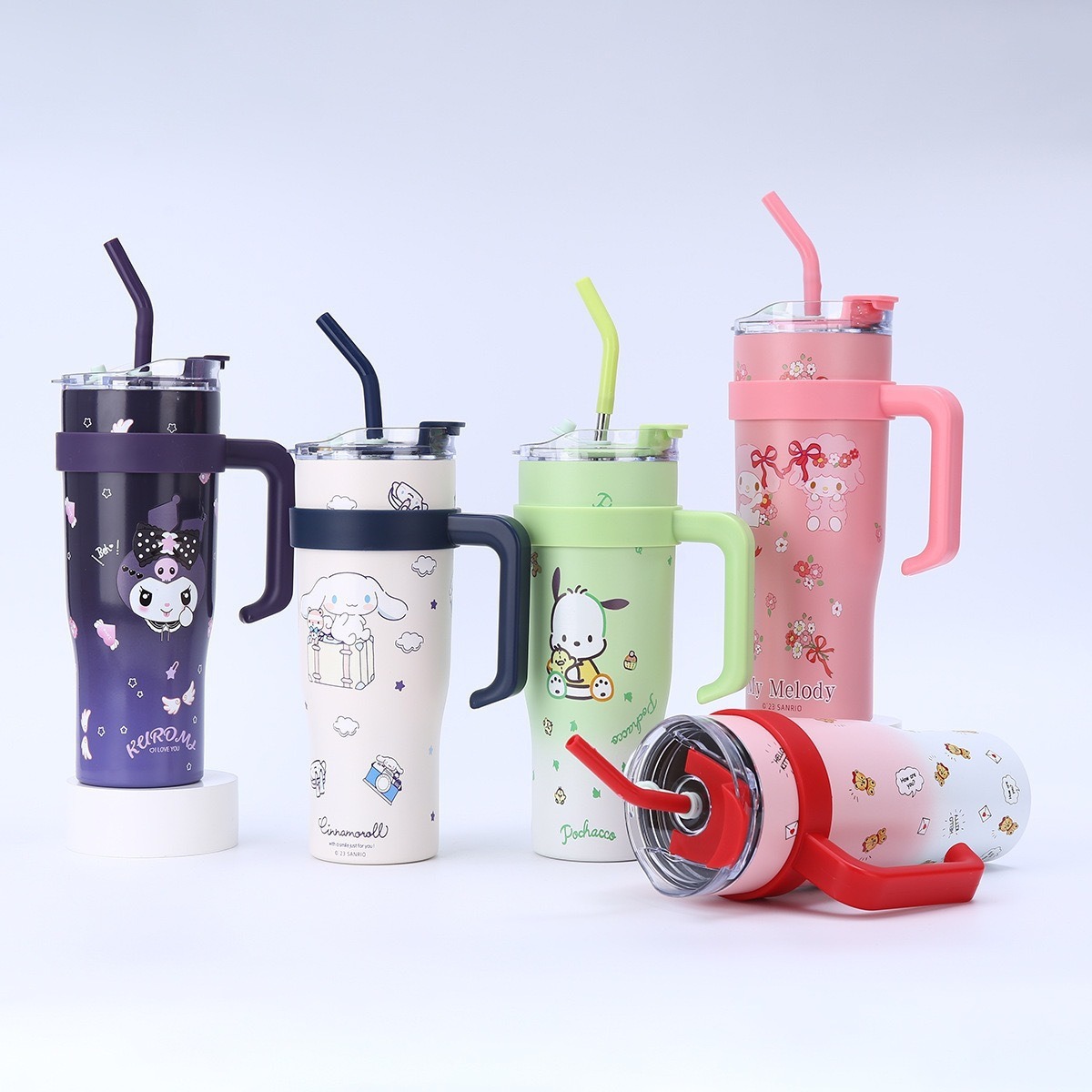
The result is a bottle that keeps drinks cold for up to 24 hours and hot for up to 12 hours — performance that single-wall bottles simply cannot match.
How Heat Transfer Is Blocked (Conduction, Convection, Radiation)
Heat moves in three ways, and vacuum insulation attacks all three:
- Conduction — transfer through direct contact. Two thin steel walls with a vacuum between them have almost no material path for heat to cross.
- Convection — transfer by moving air or liquid. With the air pumped out, there is no fluid to circulate heat.
- Radiation — transfer by infrared waves. The inner wall is typically copper- or aluminum-plated to reflect radiant heat back to its source.
By removing air and adding a reflective layer, a vacuum bottle stops roughly 99% of the heat that would otherwise escape or enter.
Why Vacuum Outperforms Single-Wall and Foam Bottles
Not all reusable bottles are equal. Here is how the three common constructions compare:
| Construction | Cold Retention | Hot Retention | Condensation | Bulk / Weight |
|---|---|---|---|---|
| Single-wall steel | < 1 hour | < 30 min | Sweats heavily | Thinnest |
| Foam-filled | 2–4 hours | 1–2 hours | Minimal | Bulky |
| Double-wall vacuum (Yujie Cup) | Up to 24 hours | Up to 12 hours | None | Compact |
For brands that want a product customers reuse every day, vacuum insulation is the only tier worth private-labeling.
Real-World Temperature Retention Numbers
The figures below are typical for Yujie Cup 500 ml (17 oz) double-wall vacuum bottles, measured at an ambient 25°C (77°F):
| Time Elapsed | Iced Water (start 4°C) | Coffee (start 95°C) |
|---|---|---|
| 0 h | 4°C | 95°C |
| 6 h | 6°C | 82°C |
| 12 h | 9°C | 71°C |
| 24 h | 12°C (still cold) | — |
Actual performance depends on fill level, lid type, and ambient temperature. For tailored specs on your SKU, see our OEM/ODM services.
What This Means for B2B Buyers
If you are building a branded drinkware line, vacuum insulation determines your margin and your returns rate:
- Fewer returns. Inferior insulation is the #1 cause of negative reviews on insulated bottles. Specifying a verified vacuum gap protects your brand.
- Higher perceived value. A bottle that keeps ice all day justifies a premium price point.
- Customizable wall thickness. Yujie Cup can tune wall gauge and vacuum level to hit your target cost and performance band.
- Pair with the right lid. Insulation only works if the closure seals. Review our water bottle lid & cap guide when finalizing your build.
Frequently Asked Questions
1. Can a vacuum bottle lose its insulation over time?
Yes — if the seal between the two walls fails and air leaks in, performance drops. Yujie Cup pressure-tests every batch and warrants against seal failure.
2. Is copper plating inside the bottle safe?
The reflective layer sits in the vacuum gap, never touching the liquid. Only 18/8 food-grade steel contacts your drink, which is BPA-free and FDA/LFGB compliant.
3. Does a bigger bottle stay cold longer?
Generally yes — more liquid mass and a smaller surface-area-to-volume ratio slow temperature change. A 1 L bottle typically outlasts a 350 ml one.
4. Can vacuum bottles go in the dishwasher?
The body usually can (top rack), but the lid often contains seals and moving parts. See our customization guide for care-rated component options.
Ready to spec your own vacuum-insulated line? Contact Yujie Cup for MOQ, sampling, and a free quotation.