Copper bottles are touted for Ayurvedic benefits; stainless is the everyday workhorse. Both are metal, but they differ in care, safety, and performance. Yujie Cup builds steel bottles and breaks down the real comparison.
Steel vs copper, side by side
| Factor | Stainless steel | Copper |
|---|---|---|
| Taste | Neutral | Metallic (liners common) |
| Insulation | Vacuum possible | Rarely vacuum |
| Durability | Very high | Soft, dents |
| Care | Easy | Polish to avoid tarnish |
| Safety | 18-8, BPA-free | Check liner; acid reactive |
Care & safety
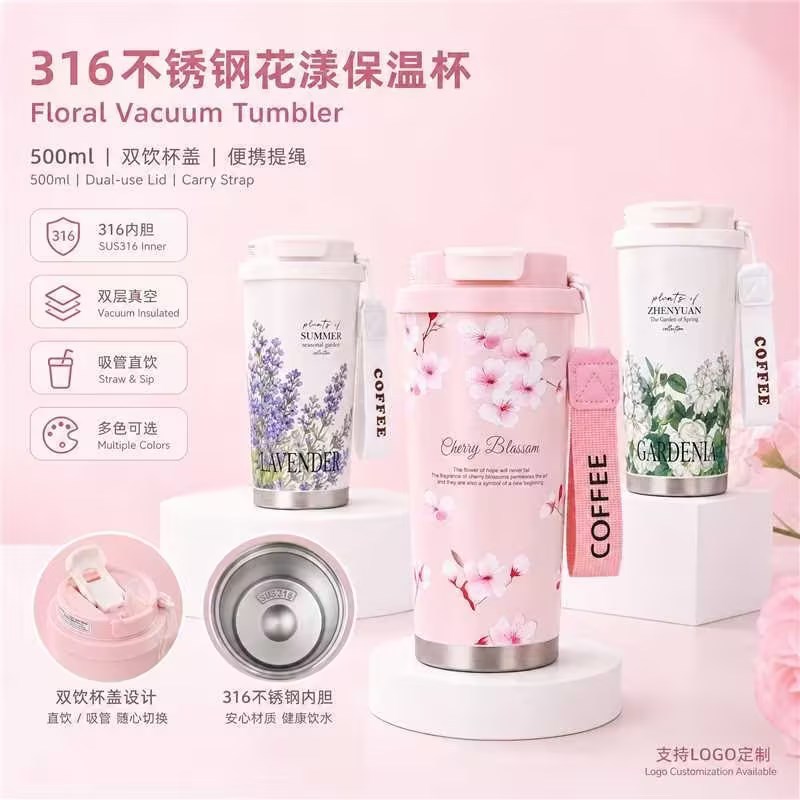
Copper needs regular polishing to avoid tarnish and is reactive with acidic drinks, so many copper bottles are lined — and a lining adds the same caveats as any lined bottle (see our steel vs plastic). 18-8 steel (our certification guide) needs no liner and stays clean with a quick wash.
Insulation & daily use
For cold drinks on the go, only vacuum steel delivers 24h cold / 12h hot; copper bottles are usually single-wall and warm fast. Yujie Cup ships vacuum insulated steel bottles for daily use. For the green angle, see eco-friendly drinkware trends.
FAQ
Q1: Is copper safe for daily water?
A: Plain copper is reactive with acid; most safe copper bottles are lined — check the liner.
Q2: Which keeps drinks colder?
A: Steel vacuum bottles, by far; copper rarely insulates.
Q3: Does copper tarnish?
A: Yes, it needs polishing; steel stays bright with minimal care.
Q4: Which is more practical?
A: Steel. It is lighter to care for, insulates, and needs no liner.
Related Articles