“How long will it stay cold?” is the first question buyers ask. The answer depends on wall design, fill temperature, and usage. Yujie Cup lab-tests every vacuum bottle — this guide explains realistic retention times and how to maximize them.
Realistic retention times
Lab conditions differ from a hot car or a gym bag. Here are field-realistic ranges for a quality double-wall vacuum bottle.
| Drink | Typical retention | Notes |
|---|---|---|
| Ice water | 18–24h | Pre-chill bottle for best result |
| Cold juice/tea | 12–18h | Warmer start = shorter |
| Hot coffee | 8–12h | Use near-boiling fill |
| Soup | 6–10h | Wider mouth loses heat faster |
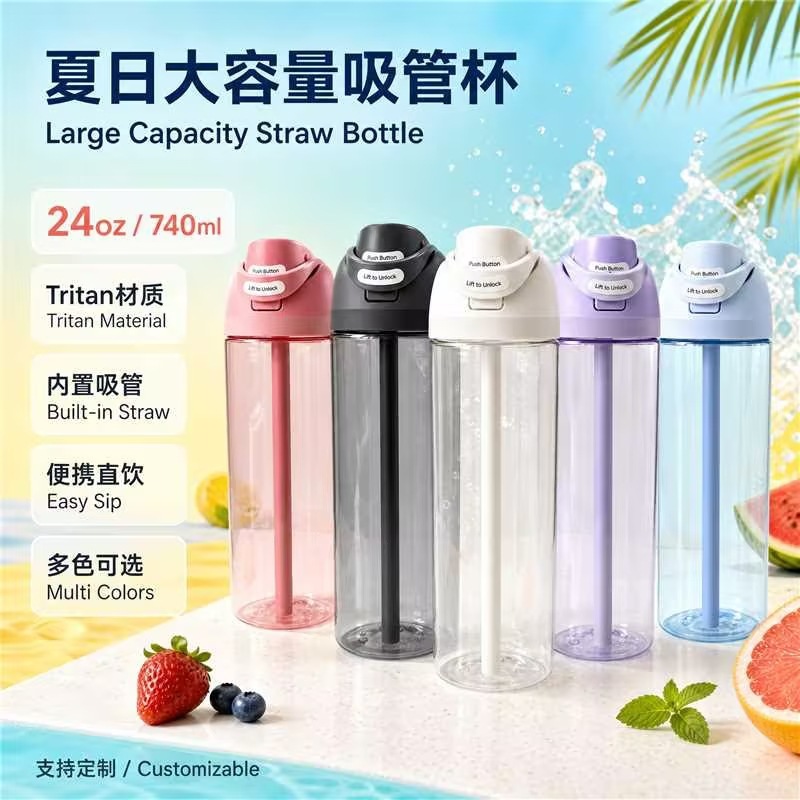
The physics behind these numbers is in how double-wall vacuum insulation works.
What affects performance
| Factor | Effect |
|---|---|
| Vacuum quality | Biggest driver of retention |
| Capacity | Larger holds temperature longer |
| Lid seal | Leaky lid = fast loss |
| Pre-conditioning | Rinse hot/cold before fill |
Capacity interacts with retention — see our capacity & size guide. The best-performing models are in our 2026 best-sellers.
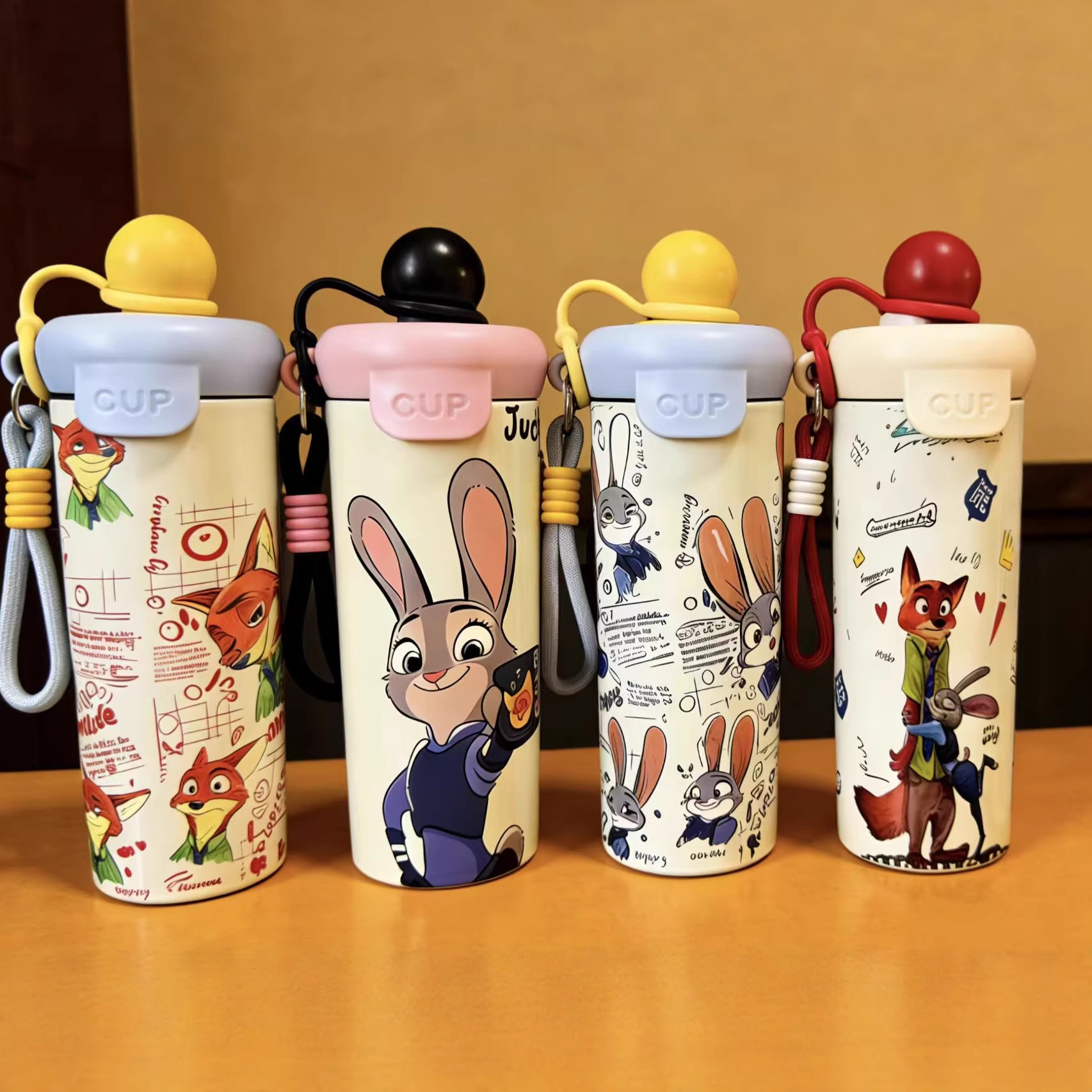
How to maximize retention
Pre-chill with ice water for 2 minutes before your real fill, keep the lid closed, and avoid half-empty bottles in heat. Yujie Cup bottles are tuned for 24h cold / 12h hot when used as designed.
FAQ
Q1: Will it really keep ice 24 hours?
A: A quality vacuum bottle does, especially if pre-chilled; cheaper single-wall cups do not.
Q2: Does a bigger bottle stay cold longer?
A: Yes. More liquid mass resists temperature change, so 750 ml outlasts 350 ml.
Q3: Why does my hot drink cool fast?
A: Likely a weak vacuum, an open lid, or a lukewarm fill. Pre-heat the bottle first.
Q4: Can I put it in the freezer?
A: No. Freezing can damage the vacuum seal; pre-chill with ice water instead.
Related Articles