Glass tastes pure but breaks; steel lasts and insulates but can carry a faint note. At Yujie Cup, we build stainless, yet buyers often ask which material fits their brand. This guide compares glass vs stainless steel bottles on taste, durability, insulation, and B2B cost so you can choose with confidence.
Table of Contents
1. Taste & Purity
Glass is inert and leaves zero aftertaste; 18/8 stainless is also flavor-neutral and BPA-free, with no liner to leach. Yujie Cup uses 18/8 for safety without the breakage risk — see our certifications guide.
| Material | Taste impact |
|---|---|
| Glass | Zero aftertaste |
| 18/8 steel | Neutral, BPA-free |
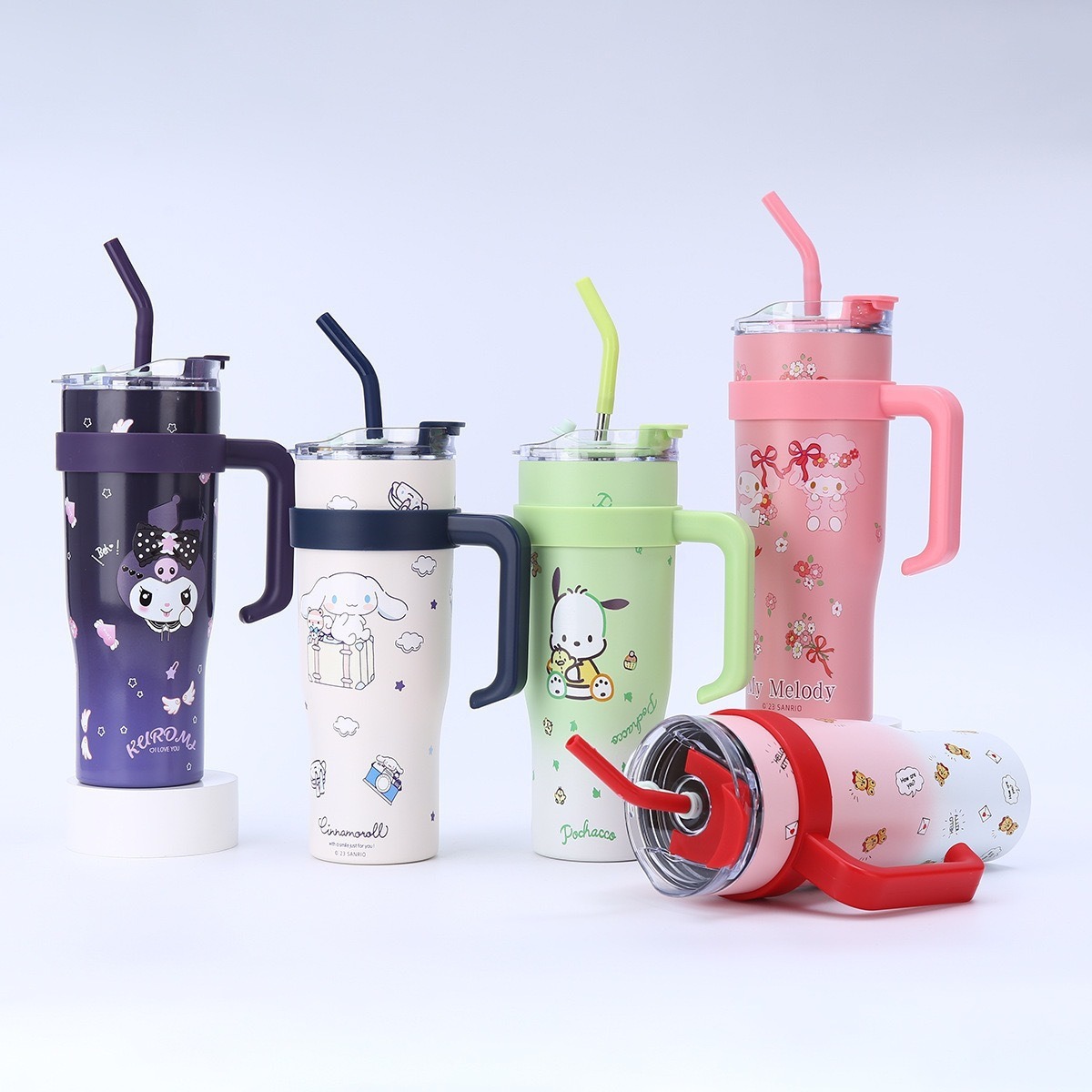
18/8 stainless delivers a clean taste without the fragility of glass.
2. Durability & Safety
Glass shatters on impact and adds weight; steel dents but keeps working and ships cheaper. For promotions, gyms, and kids, steel wins on safety. Yujie Cup covers tough use in our kids & school bottles guide.
3. Insulation
Single-wall glass holds temperature poorly; double-wall vacuum steel keeps drinks hot or cold for hours. Yujie Cup explains the physics in our vacuum insulation guide — a key reason most B2B buyers pick steel.
| Material | Cold retention |
|---|---|
| Glass (single) | Short, no vacuum |
| Steel (double-wall) | 18–24 h+ |
4. B2B Cost & Logistics
Glass costs more to pack, ship, and replace; steel is lighter and survives transit. For branded programs, steel scales better. Yujie Cup builds custom-logo steel bottles via OEM/ODM for programs that travel.
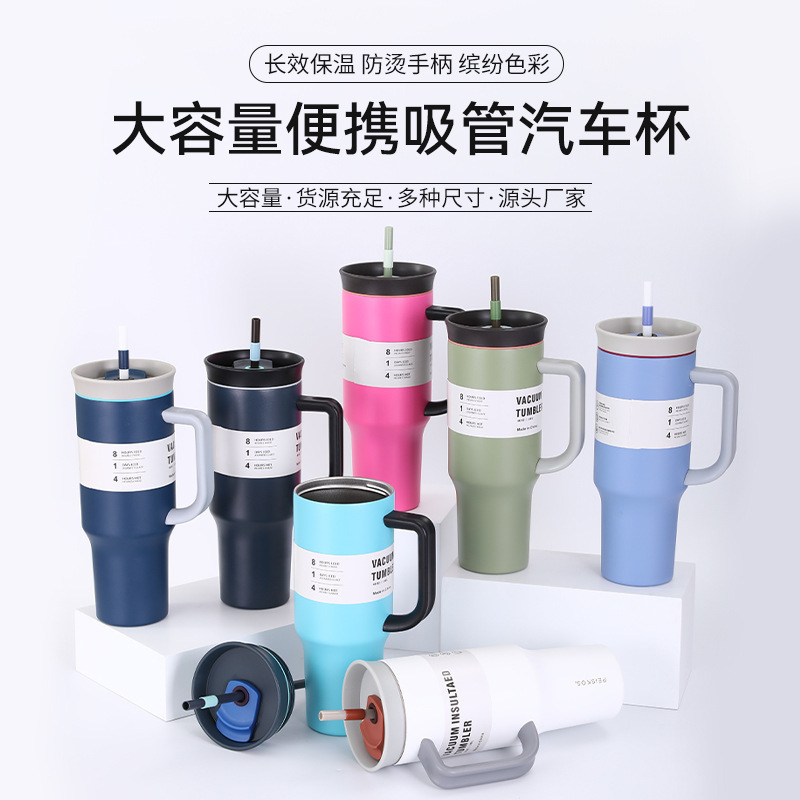
For shipping and daily abuse, steel beats glass on total landed cost.
Choose the right material
Tell Yujie Cup your use case and get a stainless steel bottle built to beat glass where it counts.
Frequently Asked Questions
Which tastes better, glass or steel?
Glass is perfectly inert with zero aftertaste. 18/8 stainless is also flavor-neutral and BPA-free, so most users notice no difference — steel just adds durability steel glass lacks.
Is steel safe for daily use?
Yes. Food-grade 18/8 stainless is rust-resistant, BPA-free, and has no liner to leach. It dents but does not shatter, making it safer for gyms, travel, and kids.
Which keeps drinks cold longer?
Double-wall vacuum steel keeps drinks cold 18–24 hours or more; single-wall glass has no vacuum and loses temperature quickly. Insulation is steel’s main edge.
Which is cheaper to ship in bulk?
Steel. It is lighter and survives transit, so packaging and breakage replacement costs stay low. Glass needs heavier protection and still risks loss, raising landed cost.