A bottle is only leak-free if its seal is engineered, not hoped. At Yujie Cup, we treat the cap as a system — gasket, thread, and test — so B2B buyers get dry bags, not complaints. This guide explains the cap and lid sealing technology behind a trustable bottle.
Table of Contents
1. Gasket Materials
The gasket does the sealing; silicone is the safe default. Yujie Cup uses food-grade silicone gaskets that stay flexible across temperature and do not impart taste — distinct from the lid types we cover in our lid & cap types guide.
| Material | Use |
|---|---|
| Silicone | Food-safe, flexible, hot/cold ok |
| TPU | Lightweight, sport lids |
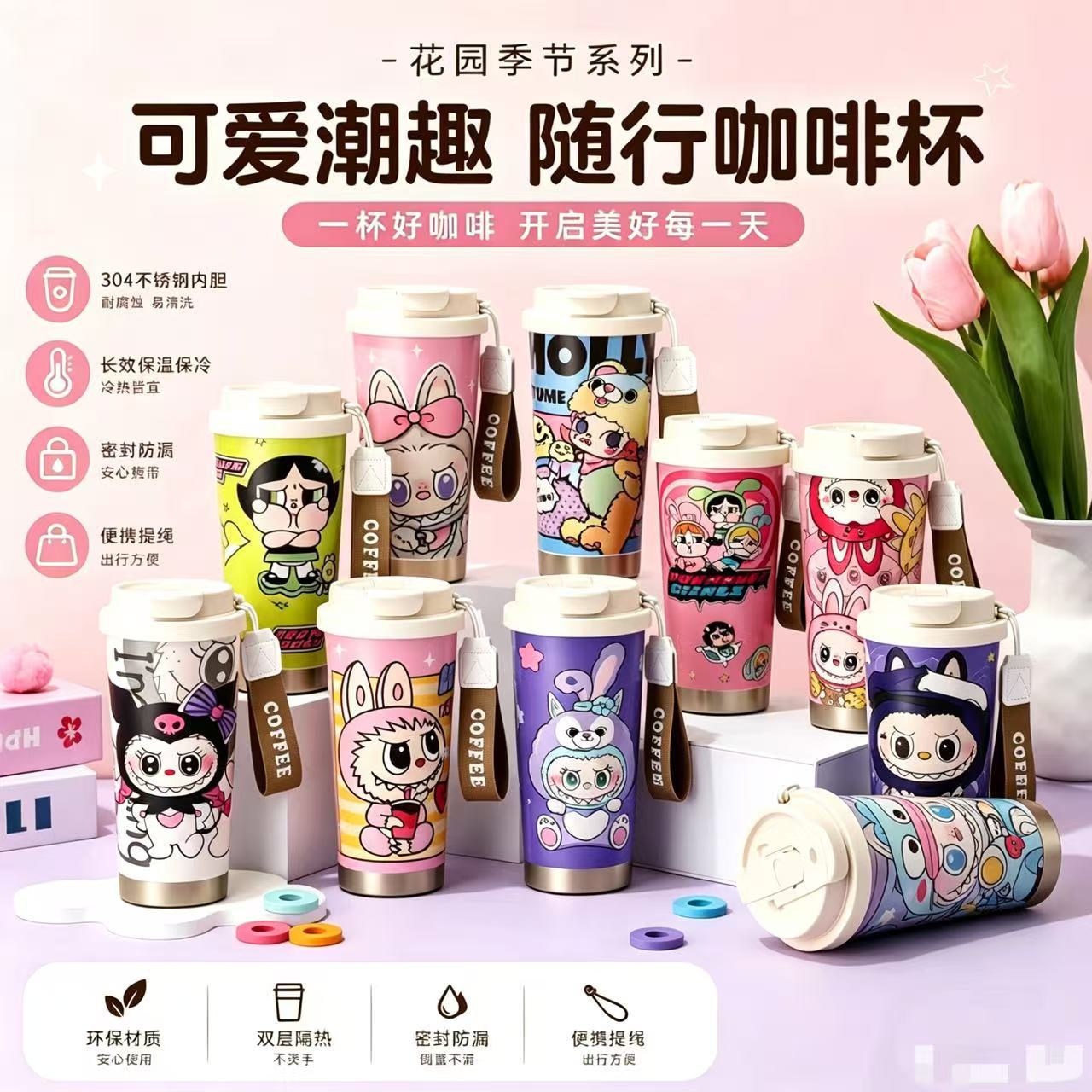
A food-grade silicone gasket is the part that actually stops the leak.
2. Thread & Closure Design
Thread pitch and shoulder shape decide how evenly the lid compresses the gasket. A well-cut thread seals with a half-turn and resists loosening in transit. Yujie Cup matches thread to lid type during tooling so the closure is part of the mold, not an afterthought.
3. Seal Testing
We invert filled bottles, pressurize, and shake them per batch; any weep fails the unit. Yujie Cup logs seal results in the same QC file as leak and retention, so a dry shipment is documented, not assumed.
| Test | Method |
|---|---|
| Inversion | Turn filled bottle upside down |
| Pressurize | Apply internal pressure |
| Shake | Simulate transit vibration |
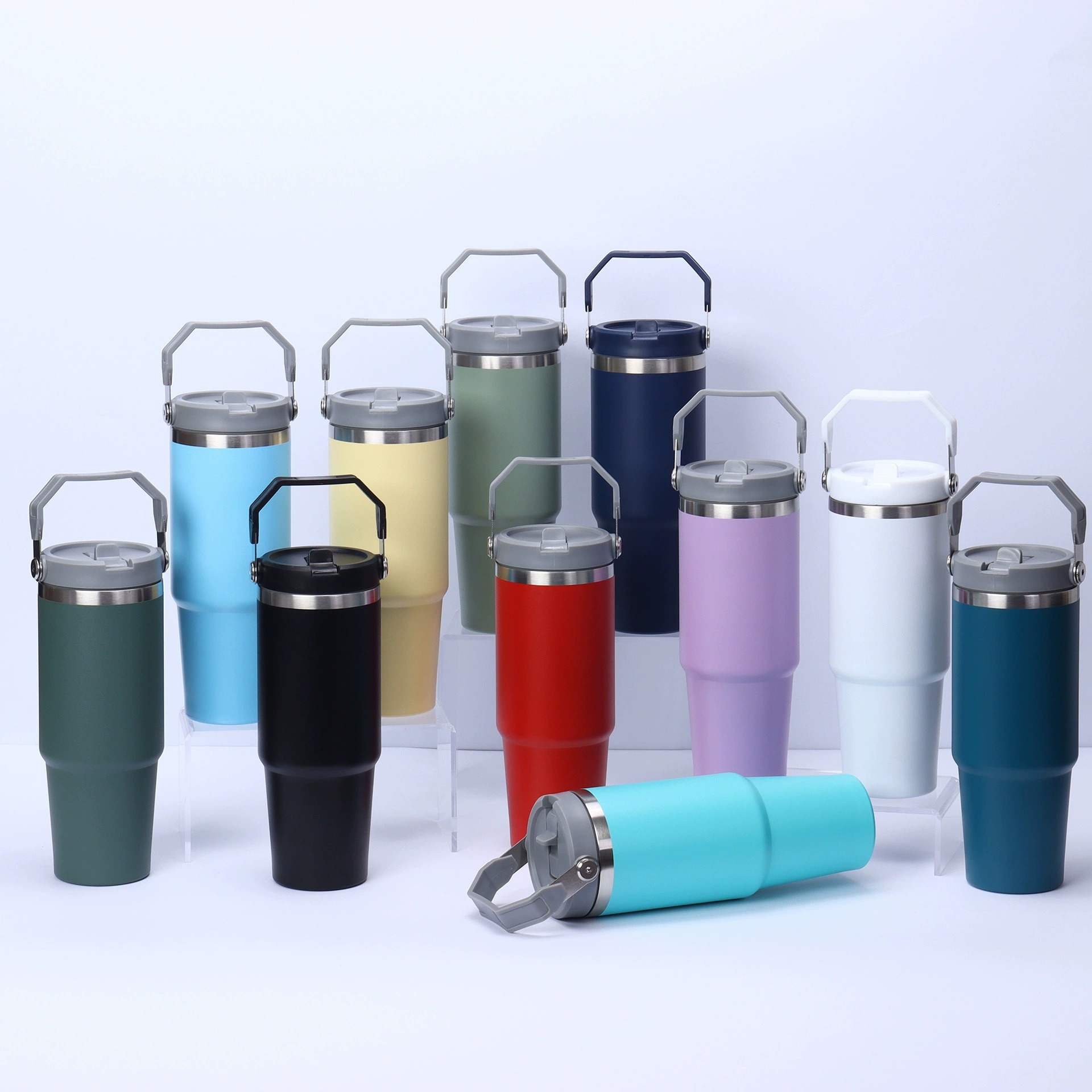
Per-batch seal tests catch a weak gasket before it reaches a customer.
Specify a leak-free cap
Tell Yujie Cup your lid type and we will engineer the gasket, thread, and test into the build.
Frequently Asked Questions
What makes a cap leak-free?
Three parts: a food-grade silicone gasket that stays flexible, a thread that compresses it evenly with a half-turn, and per-batch seal testing. Miss any one and leaks appear in the field.
Is silicone safe for hot drinks?
Yes. Food-grade silicone is heat-stable, tasteless, and BPA-free, so it seals coffee and tea without leaching or odor. We specify it for all hot-fill lids.
How do you test the seal?
We invert filled bottles, pressurize them, and shake them per batch; any weep fails the unit. Results are logged in the same QC file as leak and retention tests.
Can the seal be customized?
Yes. During tooling we set gasket material, thread pitch, and shoulder shape to the lid type, so the closure performs to your spec rather than a generic fit.